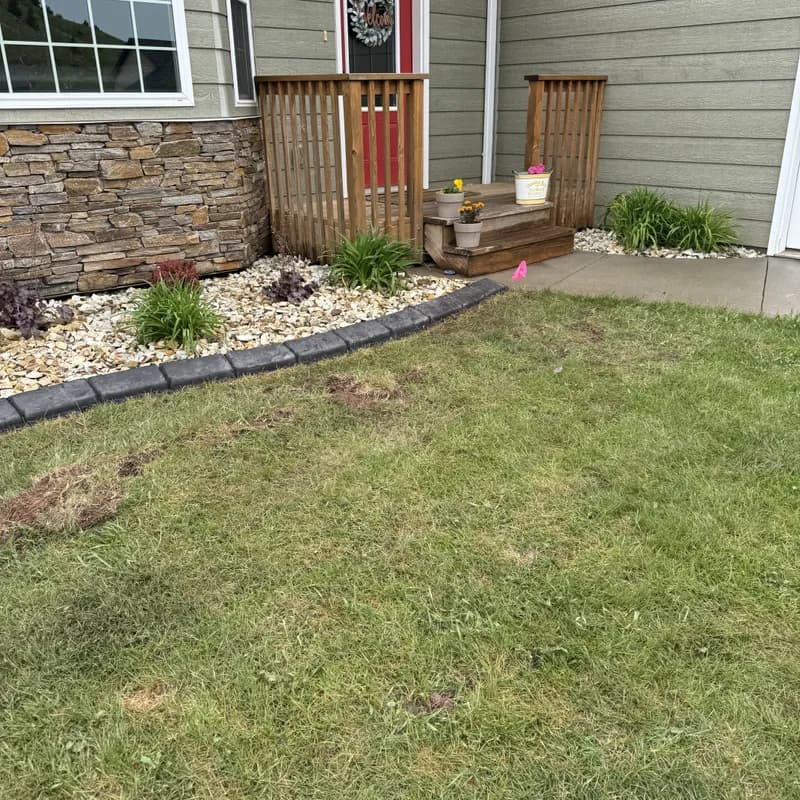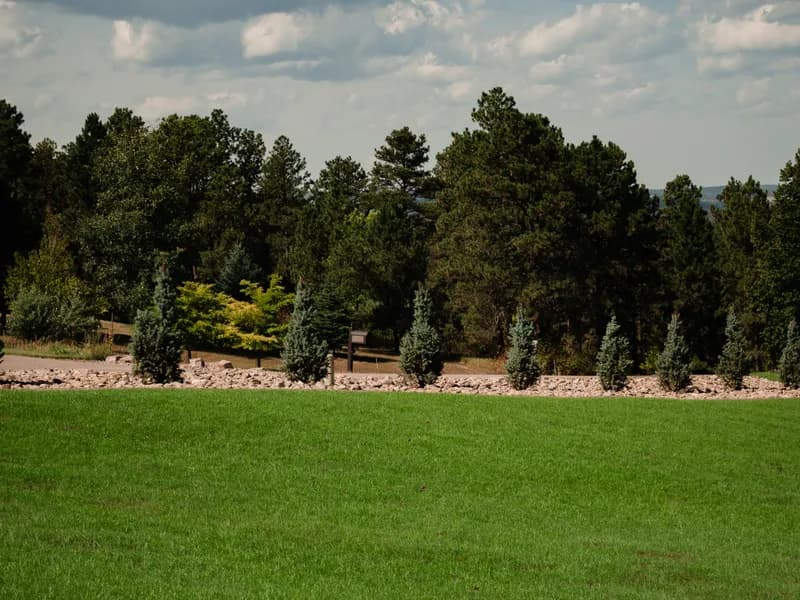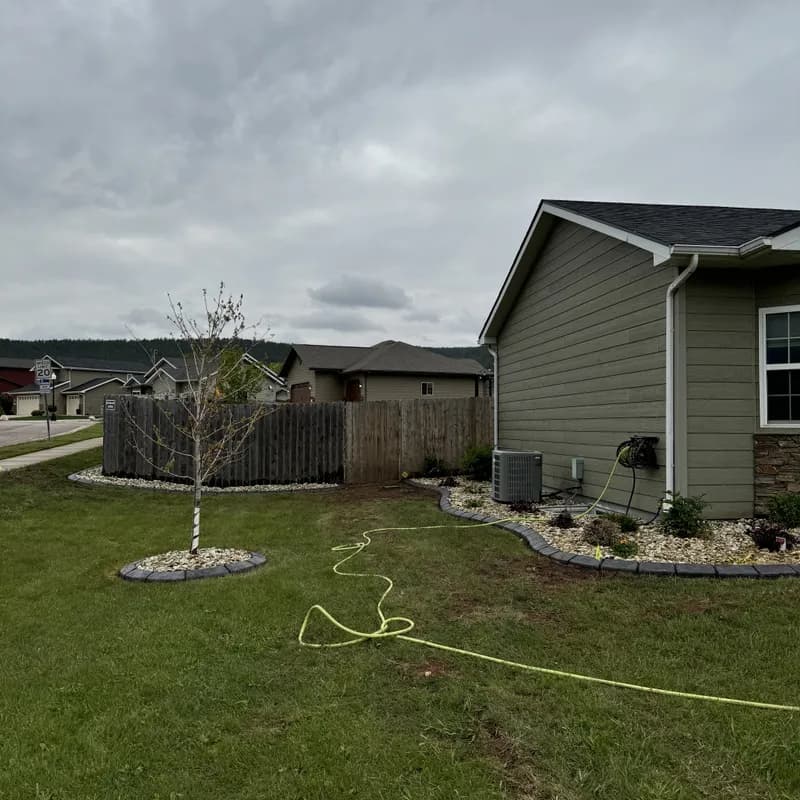
The Black Hills of South Dakota sit in USDA Hardiness Zone 4b, which means cold winters, a short growing season, and limited rainfall. Not every pretty plant from the garden center will survive here. This guide shares what actually works — from years of installing landscapes across the region.
Understanding the Black Hills Growing Zone
Zone 4b means winter lows can reach -20°F to -25°F. The growing season runs roughly from mid-May to late September. Annual rainfall averages 16–20 inches depending on your location and elevation.
But the Black Hills aren’t uniform. Spearfish Canyon has its own microclimate with more moisture. Hot Springs is significantly warmer. Lead sits at 5,000+ feet with shorter seasons. Rapid City and Box Elder deal with clay-heavy prairie soils. Your specific location matters.
That’s why working with a local landscaper — someone who knows the difference between what grows in Custer vs. what grows in Sturgis — is so important for long-term success.
Best Trees for Black Hills Yards
Ponderosa Pine is the signature Black Hills tree — native, drought-tolerant, and beautiful year-round. For shade trees, consider Bur Oak (extremely cold-hardy), Green Ash (fast-growing, adaptable), or Colorado Blue Spruce (evergreen, wind-resistant).
For smaller ornamental trees, Amur Maple offers outstanding fall color, and Common Hackberry is a tough, adaptable option that handles both clay and rocky soils. Avoid planting Silver Maple — it’s weak-wooded and prone to storm damage.
When planting trees, consider mature size, root spread, and proximity to foundations and utilities. A tree planted in the wrong spot becomes a problem, not an asset.
Pro Tip
Plant trees in fall when possible. Cooler temperatures reduce transplant stress and give roots time to establish before the heat of summer.
Top Shrubs & Perennials
For shrubs, Potentilla (Shrubby Cinquefoil) is a Black Hills workhorse — drought-tolerant, cold-hardy, and blooms all summer. Juniper varieties are excellent for year-round structure and require almost no water once established.
Lilac does exceptionally well in the Black Hills and provides fragrant spring blooms. Spirea, Ninebark, and Barberry add color and texture with minimal maintenance.
For perennials, Coneflower (Echinacea), Black-Eyed Susan, Daylily, Sedum, and Russian Sage are reliable performers. They tolerate drought, handle cold, and come back strong year after year. For shaded areas, Hosta and Coral Bells are your best options.
Native Grasses & Ground Covers
Native grasses add movement, texture, and year-round interest to Black Hills landscapes. Karl Foerster Feather Reed Grass is a top choice — upright, well-behaved, and stunning in fall. Blue Fescue adds compact blue-toned texture to borders.
For ground coverage, Creeping Juniper is nearly indestructible in the Black Hills. Sedum (Stonecrop) works beautifully in rock gardens and hot, dry spots. Creeping Thyme tolerates foot traffic and adds fragrance.
Buffalo Grass is an excellent low-water lawn alternative for the drier, lower-elevation areas around Rapid City, Box Elder, and the eastern prairie communities.
Plants to Avoid in the Black Hills
Avoid anything rated Zone 5 or higher — it won’t survive our winters reliably. Common mistakes include planting Burning Bush (marginally hardy here), Japanese Maple (too cold), and most Hydrangea varieties (except Annabelle and PeeGee).
Be cautious with boxwood in exposed locations — Black Hills wind and cold can cause severe winter burn. And while Knockout Roses are popular elsewhere, they struggle with our harsh winters unless heavily protected.
When in doubt, ask a local landscaper — not a big-box garden center employee. We know from experience what actually survives here, not just what the tag says.
Pro Tip
Always buy plants rated at least one zone colder than yours. If you’re in Zone 4b, look for plants rated Zone 3 or 4a for the best long-term survival.