When it comes to defining your garden beds, you have options — and they’re not all created equal. This guide puts concrete landscape curbing head-to-head with plastic, metal, and stone edging so you can make an informed decision about which border works best for your property and budget.
What Is Traditional Edging?
Traditional edging refers to the borders you can buy at any home improvement store and install yourself. The most common types are black plastic rolls, steel or aluminum strips, and individual bricks or pavers laid end-to-end.
Plastic edging is the cheapest option — usually a few dollars per section. Metal edging (steel or aluminum) runs more per foot and offers a cleaner look. Brick or stone borders look best but require the most labor to install properly.
All traditional edging shares one characteristic: it’s installed in sections that are joined together, which means joints, connections, and potential failure points.
What Is Concrete Curbing?
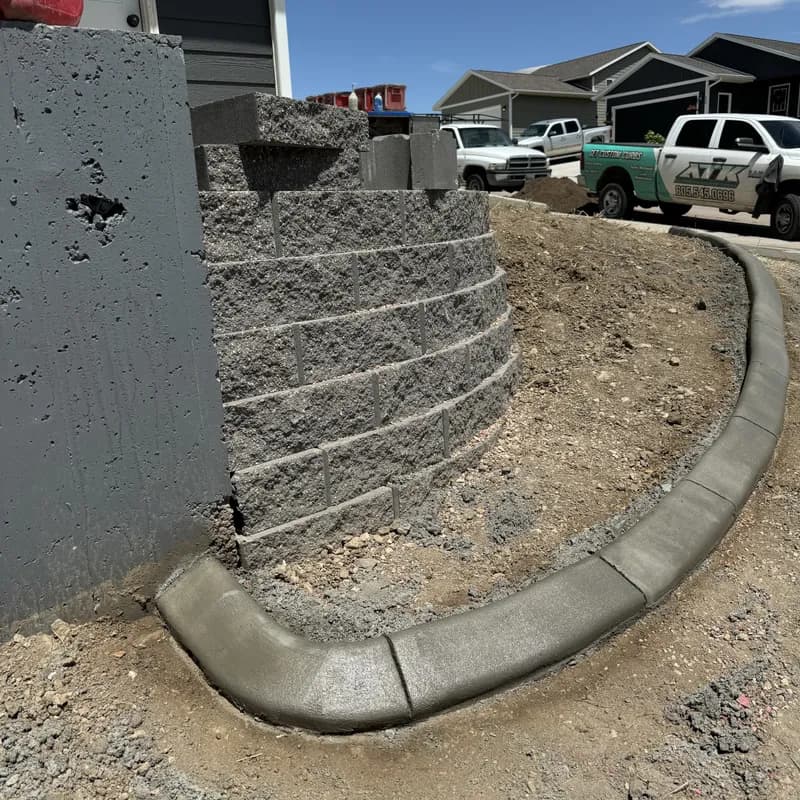
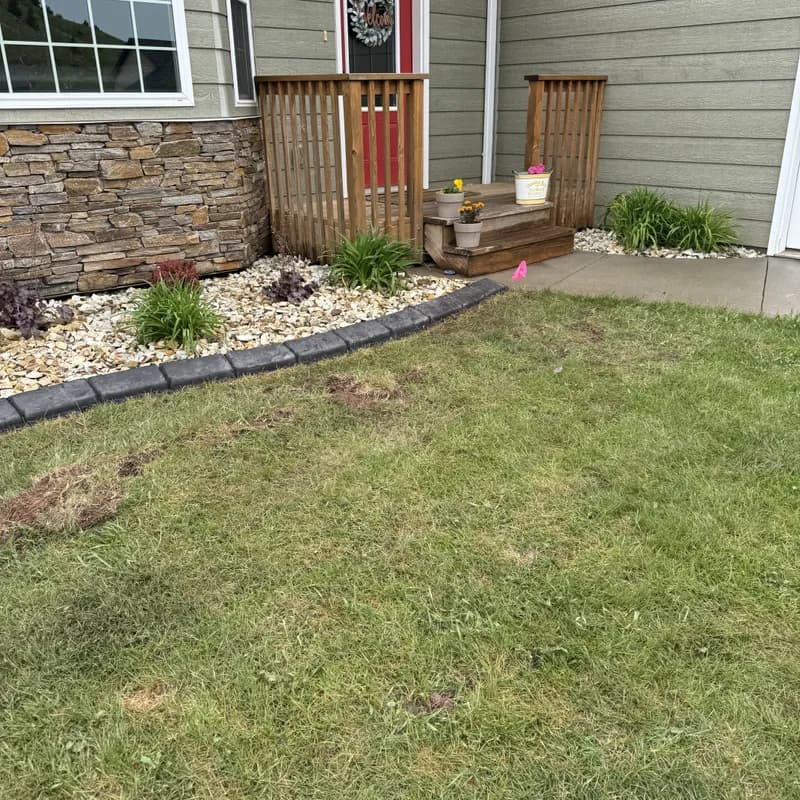
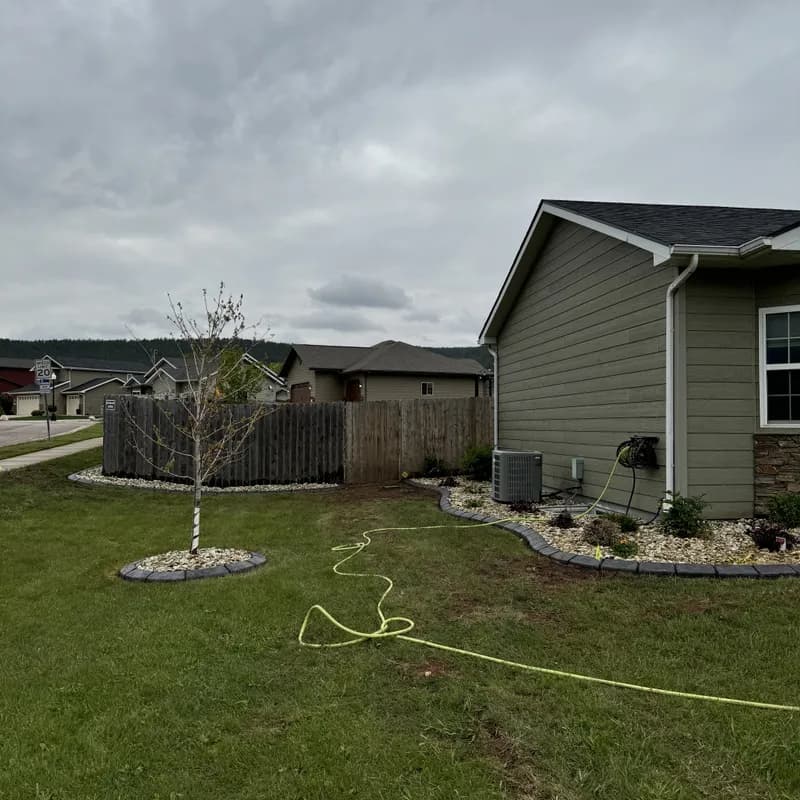
Concrete landscape curbing is extruded on-site as one continuous, seamless piece. There are no joints, no sections, and no connection points that can fail. It’s custom-shaped and colored during installation to match your home and landscape.
Because it’s formed directly on your property, curbing follows any curve, straight line, or grade your design requires — no cutting, bending, or compromising on shape.
Durability & Maintenance Compared
Plastic edging typically lasts 3–5 years before it becomes brittle, cracks, and pops out of the ground. It’s especially vulnerable in climates with freeze-thaw cycles. Metal edging fares better at 5–10 years but can rust (steel) or bend (aluminum) over time.
Concrete curbing, when properly installed with a solid base, lasts 20+ years. It doesn’t shift, pop up, or degrade the way sectional edging does. Maintenance is essentially zero — no re-staking, no replacing sections, no straightening bent metal.
Brick or stone borders can last a long time but require regular maintenance — re-leveling shifted pavers, weeding between joints, and replacing cracked pieces.
Pro Tip
If you’ve replaced plastic edging more than once, you’ve likely already spent more than a one-time curbing installation would have cost.
Cost Comparison
Upfront, plastic edging is the cheapest option. Metal edging costs moderately more. Concrete curbing has a higher initial investment. Brick or paver borders installed by a professional can rival curbing in cost.
But cost should be measured over time, not just at checkout. Plastic edging replaced every 3–5 years, plus the labor to install and remove it each time, adds up quickly. Concrete curbing is a one-time expense that lasts decades.
For most homeowners, curbing offers the best long-term value — especially when you factor in the time saved on maintenance and the curb appeal it adds to your property.
Which Should You Choose?
Choose plastic or metal edging if you’re on a very tight budget and understand you’ll replace it every few years. It’s a reasonable temporary solution for renters or properties you’re not planning to keep long-term.
Choose concrete curbing if you want a permanent, maintenance-free solution that adds real property value. It’s the professional choice for homeowners who are investing in their landscape for the long haul.
Not sure? A free on-site estimate from a curbing professional can help you understand the cost difference for your specific property and make the decision easier.