One of the most common questions we get is: how much is this going to cost? It’s a fair question, and we believe in transparency. While every project is different, this guide breaks down the factors that affect pricing and gives you a realistic framework for budgeting your project.
Factors That Affect Cost
No two properties are the same, which is why ballpark numbers from the internet are often misleading. The real cost of your project depends on: scope of work, property size, terrain and soil conditions, material choices, access to the work area, and existing conditions that need to be addressed (like drainage, removal of old landscaping, or grading).
A flat, easily accessible lot in Box Elder will cost less to landscape than a steep, rocky hillside in Hill City — even if the designs are similar. That’s why on-site estimates are the only way to get accurate pricing.
Landscape Curbing: What to Expect
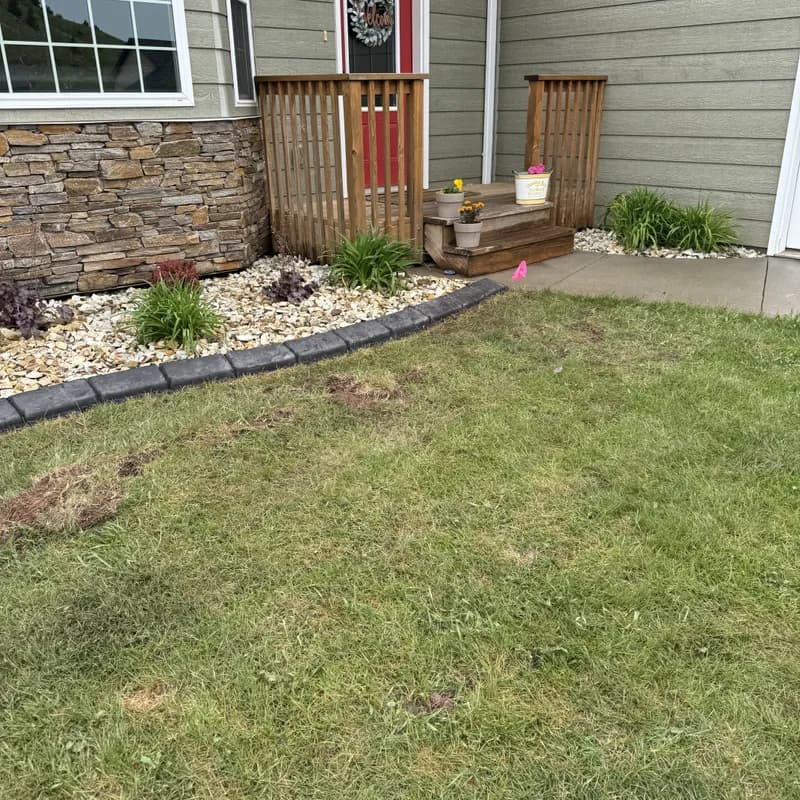
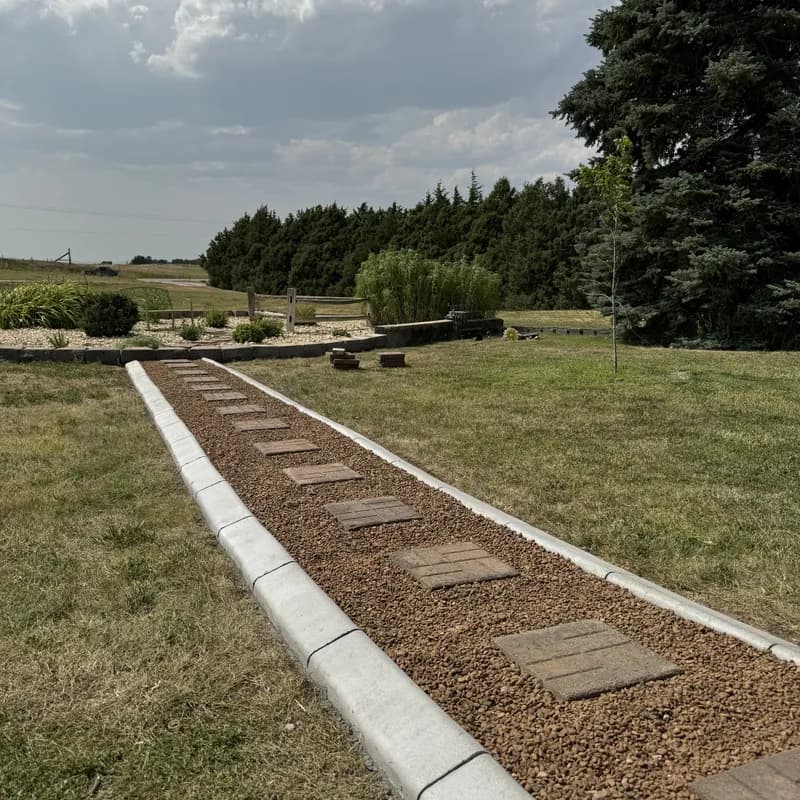
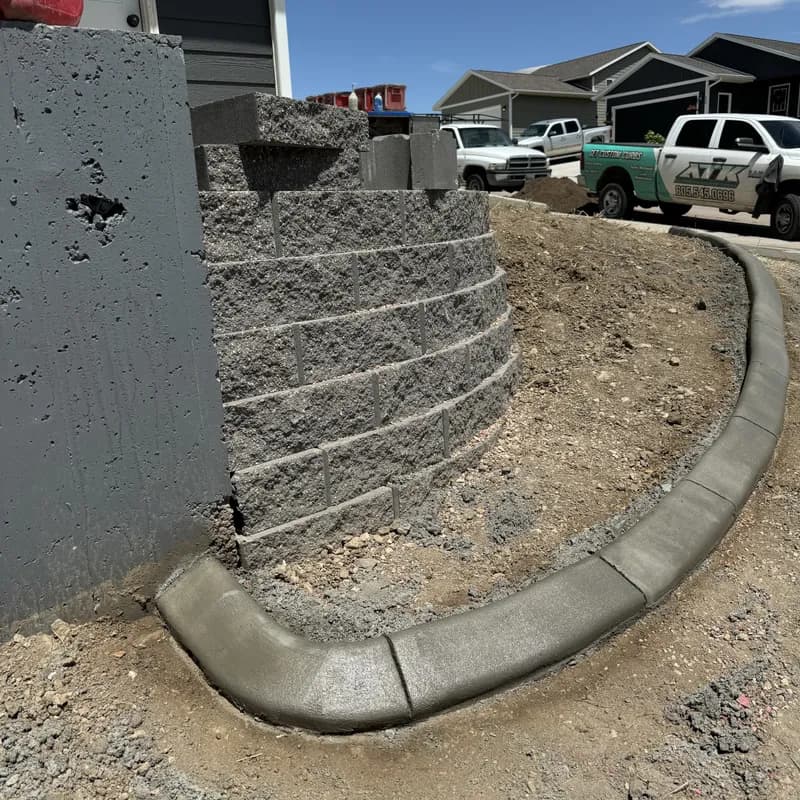
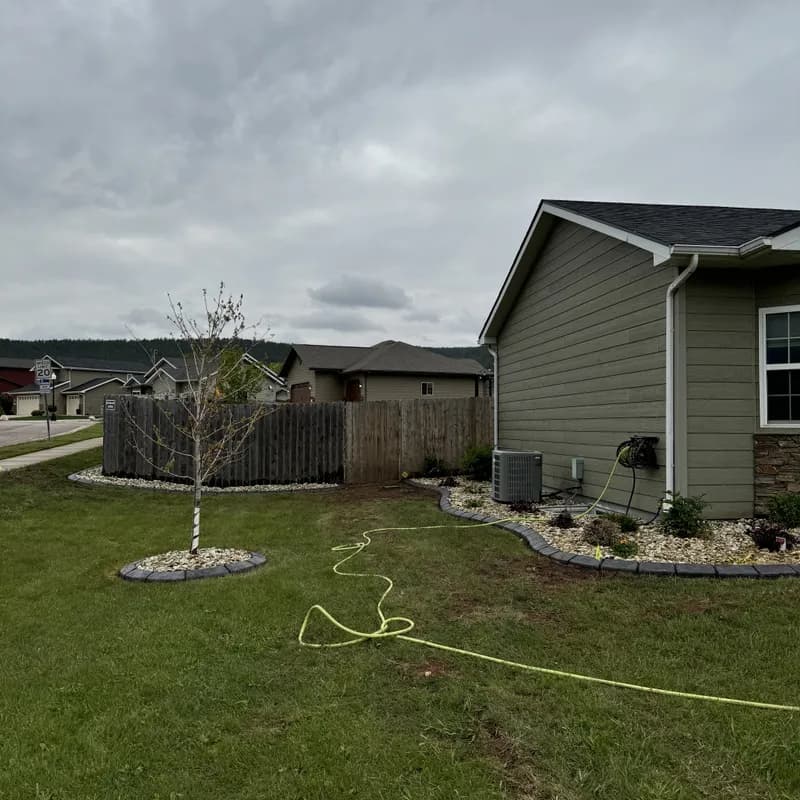
Curbing is priced by the linear foot. Costs vary based on the profile (shape), any stamp patterns, and color choices. Simpler profiles cost less; decorative stamped curbing with custom color costs more.
Most residential curbing projects involve 100–500 linear feet and are completed in a single day. It’s one of the most affordable ways to dramatically improve your yard’s appearance, and the impact is immediate.
Pro Tip
Longer runs of curbing cost less per foot than short sections. If you’re planning to add curbing to multiple beds, doing them all at once usually saves money.
Landscaping: What to Expect
Landscaping costs depend on the scope: a simple bed refresh with new mulch and a few plants is very affordable. A complete yard transformation with new beds, grading, irrigation, mature trees, and premium plantings is a larger investment.
Material costs matter too. Native perennials cost less than large specimen trees. Decorative rock costs more than standard mulch. Your landscaper should offer options at different price points.
Phasing is always an option. Start with the front yard or the area you use most, then add to the plan in future seasons.
Hardscaping: What to Expect
Hardscaping is generally the highest-cost component because it involves the most material and labor. A paver patio, a retaining wall, or a set of stone steps are permanent structures that require proper engineering and base preparation.
Material choice is a major cost driver. Standard concrete pavers cost less than natural stone. A short decorative retaining wall costs less than a tall engineered wall with drainage and reinforcement.
The terrain matters significantly. Hardscaping on a flat lot is straightforward. Building on a steep Black Hills hillside requires more engineering, more material, and more labor.
How to Get an Accurate Estimate
The only way to get a reliable price is with a free on-site estimate from a professional. At ATK Landscaping, our team walks every property, discusses your goals and budget, and provides a detailed written estimate with no hidden fees.
A good estimate breaks down the cost by phase or by area so you can see exactly where your money is going. It should include materials, labor, and any site preparation needed.
Be wary of contractors who quote by phone without seeing your property, or whose estimates lack detail. If someone can’t explain the cost, that’s a red flag.
Pro Tip
Get at least two estimates for any project over a few thousand dollars. But don’t just compare the bottom line — compare what’s included. The cheapest bid often skips critical steps like proper base preparation.