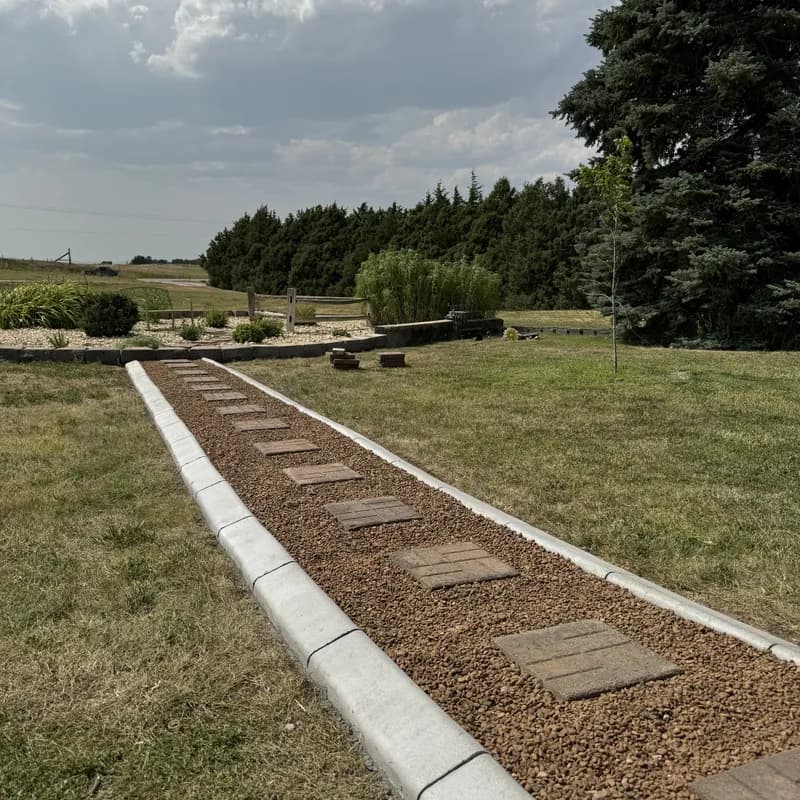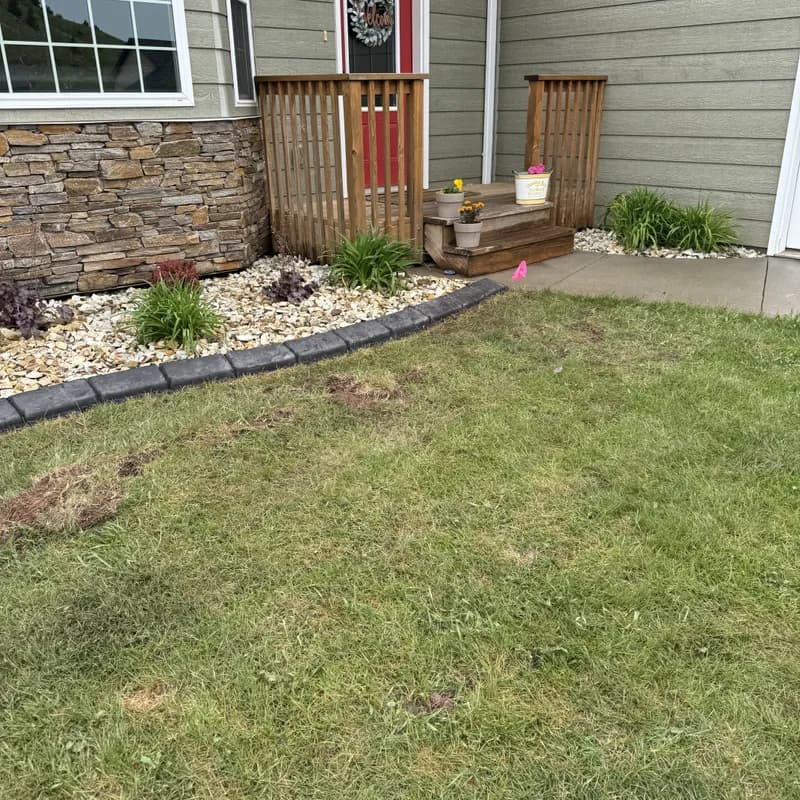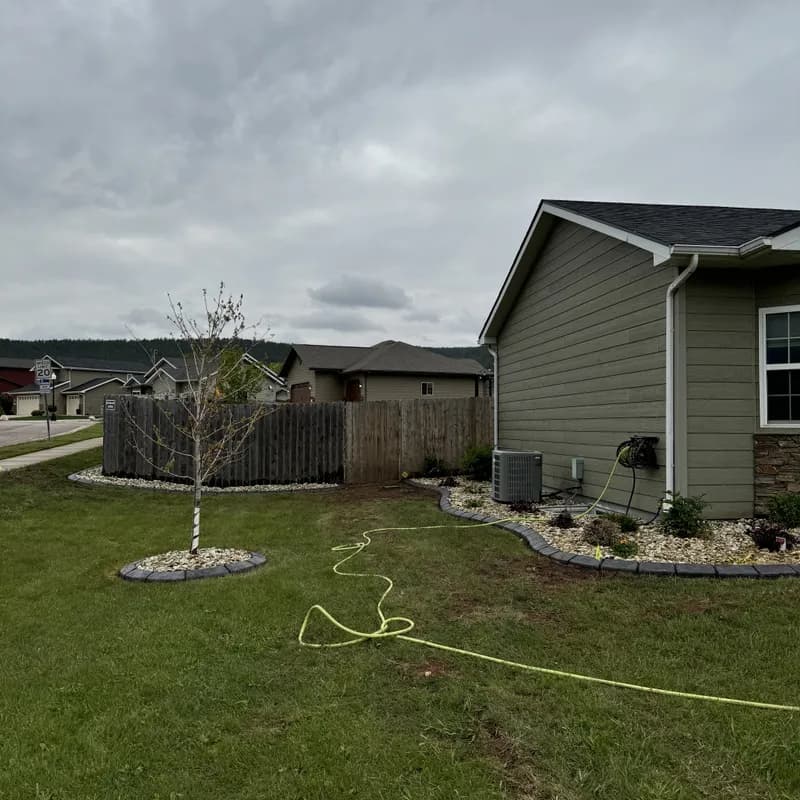
Retaining walls aren’t just decorative — they solve real problems. In the Black Hills, where many properties sit on slopes, hillsides, and variable terrain, retaining walls are one of the most practical and valuable hardscaping investments you can make. Here’s how to know if you need one.
What Retaining Walls Do
A retaining wall holds back soil and prevents it from sliding, eroding, or encroaching on structures, driveways, or usable yard space. It converts a slope into one or more level areas — creating usable space where there was none.
Beyond function, retaining walls add structure, visual interest, and value to your landscape. Terraced walls on a hillside can create multiple flat areas for patios, gardens, and walkways.
Signs Your Property Needs a Retaining Wall
Soil is sliding or eroding down a slope, especially after rain or snowmelt. You see exposed roots, washed-out beds, or soil buildup against your foundation or fence.
Your yard has a steep slope that limits usable outdoor space. You want a patio, garden, or play area but there’s nowhere flat to put it.
Water is pooling against your foundation because the grade directs it toward your house instead of away from it. A retaining wall combined with proper grading can redirect drainage and protect your home.
An existing retaining wall is leaning, cracking, or bulging — signs of failure that will only get worse without intervention.
Pro Tip
If your slope is steeper than 3:1 (three feet of horizontal distance for every one foot of vertical drop) and you want to use the space, a retaining wall is likely the best solution.
Types of Retaining Walls
Segmental block walls use interlocking concrete blocks that stack and lock together with built-in setback. They’re the most common residential option — strong, versatile, and available in many styles and colors.
Natural stone walls use large boulders or stacked fieldstone for a rustic look that fits naturally in Black Hills landscapes. They’re heavier and require experienced installation but look incredible.
Timber walls use treated landscape timbers. They’re less expensive but have a shorter lifespan (10–15 years) compared to stone or block (20+ years). We generally recommend block or stone for long-term value.
Engineering & Drainage
Any retaining wall over about 4 feet tall may require engineering and a permit. But even shorter walls need proper construction — including a buried base course, compacted backfill, drainage gravel behind the wall, and a drain tile at the base.
The most common reason retaining walls fail is poor drainage. Water builds up behind the wall, adds pressure, and eventually pushes it over. A properly built wall includes a drainage system that moves water out from behind the structure.
In the Black Hills, freeze-thaw is an additional concern. Walls must be built to handle the expansion and contraction of frozen ground without cracking or shifting. This requires deeper footings and proper backfill material.
What to Expect from Installation
A retaining wall project starts with excavation — digging out the slope and creating a level base. Then the base course is set (partially buried for stability), followed by stacking additional courses with backfill and compaction at each level.
Most residential retaining walls take a few days to a week depending on length, height, and site conditions. Larger walls or difficult terrain may take longer.
After installation, expect the area behind the wall to be backfilled and graded. This is a great time to plan the landscaping for your new level areas — plantings, beds, and even a patio on the terrace you just created.